
The website is currently under maintenance on Saturday, October 24th. Thank you for your patience.
Bodywork
Listen to What Your Body Is Communicating
Pain often gets our attention. But where you feel the pain isn't always where the problem began.
Your body is an interconnected system of nerves, fascia, muscles, blood vessels, organs, cranial structures, joints, and lymphatics—all influencing how you feel and function.
The lymphatic system interacts throughout the body, which is why supporting healthy lymphatic flow has become an important focus of my bodywork.
From there, I draw from more than 32 years of advanced training to look beyond where symptoms are showing up, explore what may be contributing to them, and determine what kind of support makes the most sense for your body.
Bodywork
Listen to What Your Body Is Communicating
Pain often gets our attention. But where you feel the pain isn't always where the problem began.
Your body is an interconnected system of nerves, fascia, muscles, blood vessels, organs, cranial structures, joints, and lymphatics—all influencing how you feel and function.
The lymphatic system interacts throughout the body, which is why supporting healthy lymphatic flow has become an important focus of my bodywork.
From there, I draw from more than 32 years of advanced training to look beyond where symptoms are showing up, explore what may be contributing to them, and determine what kind of support makes the most sense for your body.
Gentle, Individualized Care
Every body is different. Every session is different too.
Rather than following a predetermined routine, I listen to your body and draw from more than 32 years of experience and advanced training to determine where we begin.
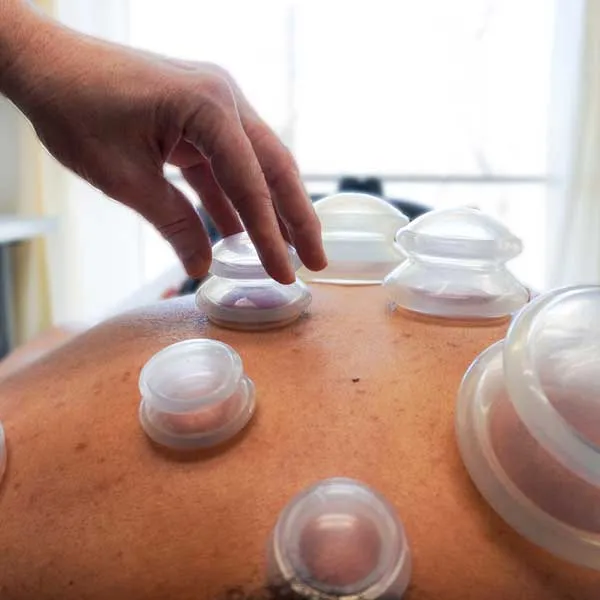
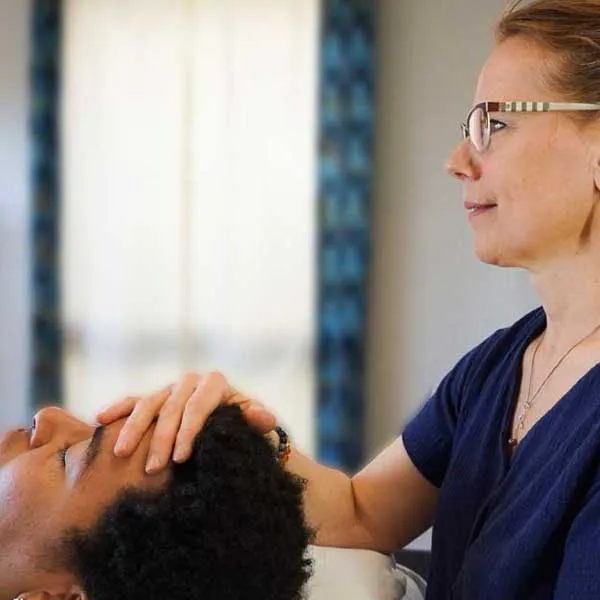
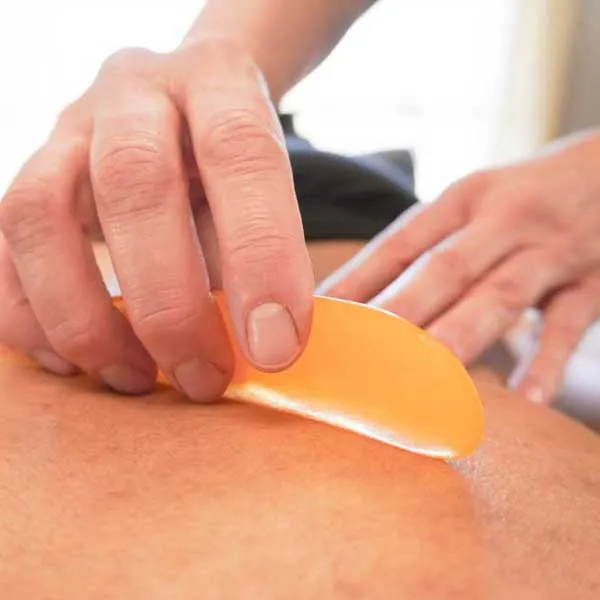
Supporting lymphatic flow may be an important part of your session, along with other systems or structures that need attention. Depending on what your body is showing us, a session may incorporate Counterstrain, Integrative Manual Therapy, craniosacral techniques, neural, visceral, vascular or lymphatic work, myofascial techniques, or other gentle manual therapy approaches.
Why the Lymphatic System Matters
The lymphatic system plays an important role in moving fluid through the body, supporting immune function, and maintaining a healthy environment around the tissues.
Because the lymphatic system travels throughout the body and interacts with so many other structures, healthy lymphatic flow and releasing trapped inflammation can be an important part of how the body functions optimally.
That's why lymphatics have become an important lens through which I approach bodywork. Rather than looking only at the area that hurts, I use a multi-system approach including lymph, nervous, vascular, fascial, visceral, cranial, and musculoskeletal systems.
This approach gives me multiple ways to listen to what your body is communicating, recognize where support is needed, and help your body heal itself.
“Her gentle touch and ability to put together the puzzle pieces of the entire human body are incredible.”
— Emily
Conditions I've had success with:
• Acute or chronic pain
• Migraines and headaches
• Neck, jaw, shoulder, or back pain
• Injuries or lingering discomfort after an injury
• Muscle tightness and tension
• Stress and feeling overwhelmed
• Digestive discomfort
• Pregnancy and postpartum pain
• Stiffness or lack of mobility
• Symptoms that keep coming back or haven’t improved with other approaches
I work with people of all ages, from infants and children to adults and older adults.
What Makes This Work Different?
Sometimes the place that hurts needs attention. Sometimes it doesn't. Over the years, I've learned to stay curious rather than assume the symptoms tell the entire story.
A painful shoulder may involve more than the shoulder. A headache may have multiple contributing factors. An old injury can influence other areas long after the original tissue has healed. Sometimes there is emotion that is stuck in that body part because of unresolved emotion at the time of the injury.
Our job is not to force your body into changing. It's to listen carefully and work with what your body is showing us.
Notice
What is your body communicating?
Reconnect
How might your lymphatic system and other systems of the body be influencing what you're experiencing?
Choose
What support makes the most sense for your body today?
What to Expect
Your session begins with a conversation about what you'd like to focus on, what you're experiencing, and what you've already tried.
You'll typically remain clothed and comfortably positioned on the treatment table. I'll begin with an assessment and use gentle, hands-on techniques throughout the session.
I'll explain what I'm doing along the way, and you're always encouraged to ask questions, provide feedback, or let me know if something doesn't feel comfortable.
This is collaborative care. Your comfort, input, and choice matter throughout the session.
Client Experiences
“I went to Kim to help with a tweaked neck that was causing me a lot of pain. I walked in hopeful that she could bring the pain from an 8 to maybe a 4 or 5. What I didn’t expect was to walk out with chronic back pain almost gone.”
— Ashley K.
“Kim is able to release fascial restrictions and muscle tension/knots that no one else can! It’s just that simple, honestly.”
— Lucy S.
“I’ve been having so much SI pain which is the reason I sought her help. After just two visits, my body feels fantastic!”
— Lucy S.
Your Body Has Been Communicating with You
You don't need to know exactly what's causing your symptoms before you come in.
That's what we'll explore together.
Frequently Asked Questions
What is lymphatic work, and why might it be part of my session?
Lymphatic work uses gentle techniques to support the natural movement of lymphatic fluid throughout the body. Because the lymphatic system plays an important role in fluid balance, immune function, and the health of your tissues, supporting lymphatic flow may also help other areas of your body function more effectively.
I may use lymphatic work on its own or combine it with other bodywork techniques, depending on what your body is showing us that day.
Is every session a lymphatic drainage session?
No. Every session begins with a brief lymphatic assessment. If I don't find areas that need direct lymphatic support, we may not do specific lymphatic work.
Supporting healthy lymphatic flow is an important part of how I approach the body, but every session is individualized. Your session may include a few minutes of lymphatic work along with Counterstrain, Integrative Manual Therapy, craniosacral, neural, visceral, vascular, fascial, or other techniques based on what your body needs that day.
What should I wear?
Comfortable, flexible clothing works best since most bodywork is done with your clothes on. Leggings, athletic pants, or other clothing without heavy buttons, buckles, or zippers are ideal, as these can sometimes interfere with treatment. If that's not possible, don't worry—I can usually work around them.
Will I remain clothed during treatment?
Yes. Most of my bodywork is performed with you fully clothed. If massage would be helpful or you have specifically scheduled massage, we'll discuss that together before beginning.
Will I be sore afterward?
Sometimes. My goal is for you to leave moving and feeling better, but your body may continue adjusting after a session. Occasionally, this can include temporary soreness or tenderness over the following day or two. Your hydration level plays an important role in how sore you might be.
How long is a session?
A typical bodywork session is 60 minutes. I recommend 90 minutes for Heart-Centered Therapy or if you'd like to combine bodywork with massage.
Can children and infants receive bodywork?
Absolutely. I work with people of all ages, from infants to older adults. Infant sessions are typically about 30 minutes. With toddlers and young children, I follow their comfort level and give them time to get to know me. Sometimes watching a parent receive bodywork first helps them feel comfortable having their own turn.
Can I receive bodywork during pregnancy or postpartum?
Yes. Bodywork can be adapted throughout pregnancy based on your comfort and stage of pregnancy. Postpartum bodywork can also begin soon after delivery, with the approach changing as your body moves through the different stages of recovery.
Do you offer distance sessions?
Yes. Some of the work I offer can be done remotely. If you're unsure whether a distance session is appropriate for what you'd like support with, please contact me.
I'm not sure whether to book Bodywork or Heart-Centered Therapy. What should I choose?
If your primary concern is physical—such as pain, tension, headaches, an injury, or changes in how your body is functioning—Bodywork is usually a good place to begin.
If you'd like to focus primarily on emotions, beliefs, relationships, or recurring patterns, a Heart-Centered Therapy session may be a better fit.
Sometimes physical and emotional experiences overlap. You don't have to figure that out before you come in. We can begin with what you're noticing and decide together what kind of support makes the most sense.
What are your cancellation and payment policies?
Cancellations made at least 24 hours in advance, allows a client on the waiting list to be seen earlier. Cancellations made less than 24 hours before your appointment are charged 50% of the session fee and must be paid before another session can be booked.
Thank you for respecting the time I've reserved for you and allowing me the opportunity to offer that time to another client.
Prices for Bodywork and Coaching.
$180 per hour, paid at time of service
$175 for check or cash
$225 per hour for billed services (car accidents)
Do you take insurance?
I can bill auto insurance for injuries related to car accidents with a doctor's referral.
For health insurance plans that cover massage therapy, payment is due at the time of your session. I'll provide a receipt you can submit to your insurance company for possible reimbursement. I recommend checking with your insurance provider beforehand to confirm your coverage and reimbursement requirements.
Kim's Email: [email protected]
Contact
Rivergrove Office Park: 2111 Front St. NE
Suite 2-201-E
(Building 2, Suite 201, Room E)
Salem, OR 97301
Kim's Mobile: 503-409-2772
Website & Educational Disclaimer
Information provided by 8 Hands Healing, Inc. through this website, classes, workshops, videos, free resources, emails, and other educational materials is intended for general educational and informational purposes.
Kim Holman is a Licensed Massage Therapist in the State of Oregon. Information provided through the website or educational offerings is not intended to provide a medical or mental health diagnosis or to replace individualized care from an appropriately qualified healthcare or mental health professional.
Massage and other one-on-one services are provided according to the nature of the service, Kim's training and professional scope, and the individual client's needs and consent. Results vary, and no specific outcome can be guaranteed.
If you have concerns about a medical or mental health condition, please consult an appropriately qualified healthcare professional.
© Copyright 2026 8 Hands Healing, Inc. All Rights Reserved.